Post-Acne Marks: PIE vs. PIH. How to Identify and Fade Them!
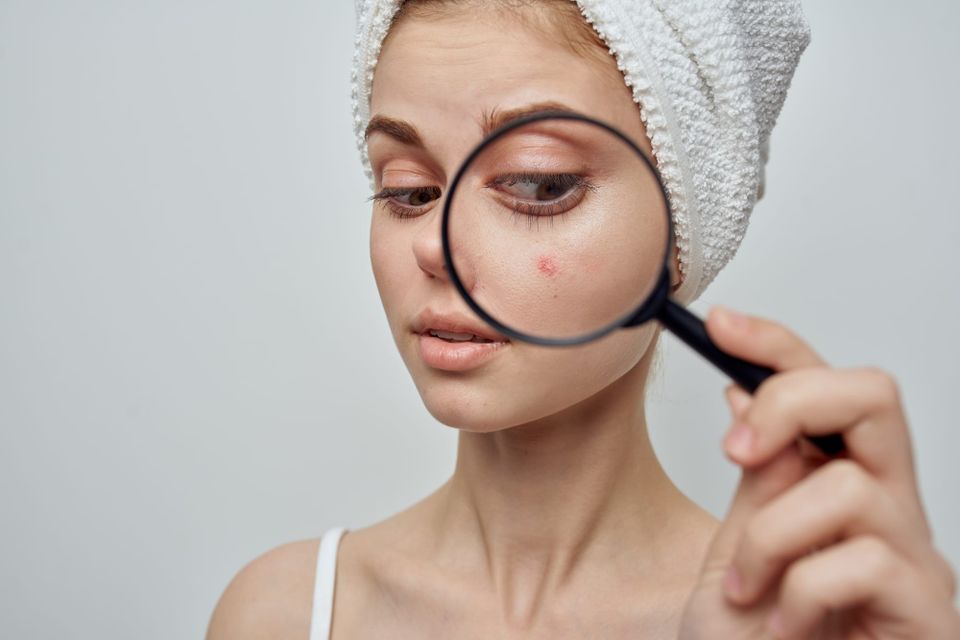
The pimple is gone, but the "ghost" remains—that annoying red or brown spot that just won't fade no matter how long you wait. It’s the ultimate skincare frustration. In 2026, we know one thing for sure: you cannot treat these two types of marks the same way.
The key to success is identifying exactly what you are dealing with. Here is your ultimate guide to PIE vs. PIH.
PIE vs. PIH: The "Glass Test" 🔍
Before you buy your next serum, perform this simple test: press a clear glass object (like the bottom of a glass) firmly against the spot.
- If the spot fades or disappears under pressure -> That’s PIE.
- If the spot stays the same color under pressure -> That’s PIH.
| Feature | PIE (Post-Inflammatory Erythema) | PIH (Post-Inflammatory Hyperpigmentation) |
| Color | Pink, Red, Purple | Brown, Tan, Dark |
| Cause | Dilated/Damaged blood vessels | Excess melanin (skin pigment) production |
| Aggravators | Heat, friction, harsh products | Sun exposure (UV rays) |
Strategy 1: How to Tackle PIE (Red Marks) 🔴
PIE is a vascular issue. Instead of trying to "bleach" it, you need to soothe, cool, and seal.
- Azelaic Acid: Your "Holy Grail." It’s anti-inflammatory, reduces redness, and calms reactive capillaries.
- Niacinamide: Helps rebuild the skin barrier, which is often damaged when you have PIE.
- Avoid Aggressive Exfoliation: Strong acids (like glycolic) can over-stimulate sensitive areas. Focus on soothing (Centella, Panthenol, Ceramides) instead.
- Keep it Cool: Avoid hot showers and saunas, which dilate blood vessels and make PIE more visible.
Strategy 2: How to Tackle PIH (Brown Marks) 🟤
PIH is a pigmentation issue. You need to inhibit melanin production and speed up cellular turnover.
- Tranexamic Acid: Currently the gold standard for tackling stubborn dark spots by blocking the pathway that creates pigment.
- Vitamin C: Brightens existing spots and prevents new ones from forming by fighting free radicals.
- Alpha Arbutin: A gentle but powerful "melanin-inhibitor" that serves as a great alternative to harsher skin-lighteners.
- Retinoids: These speed up your skin’s renewal cycle, helping the pigmented cells shed faster.
Rule #1 (For Both Types): SPF is Non-Negotiable
This isn't a request; it's a requirement.
- For PIH: UV rays "bake" the brown pigment into the skin. If you go outside without SPF, your brightening serums won't stand a chance.
- For PIE: UV light causes inflammation. Inflammation keeps blood vessels dilated, meaning those red marks will stay around much longer.
Pro-tip: If you have both types of marks at the same time, look for multi-tasking ingredients like Azelaic Acid (which is effective for both!) and always pair it with a solid SPF 50+.
The Bottom Line
Treating post-acne marks is a marathon, not a sprint. It usually takes 3–6 months of consistent, targeted care to see a significant difference. Be patient, protect your skin from the sun, and let your cells do the heavy lifting!