The Science of "Beauty Sleep": Your Skin’s Secret Repair Mode
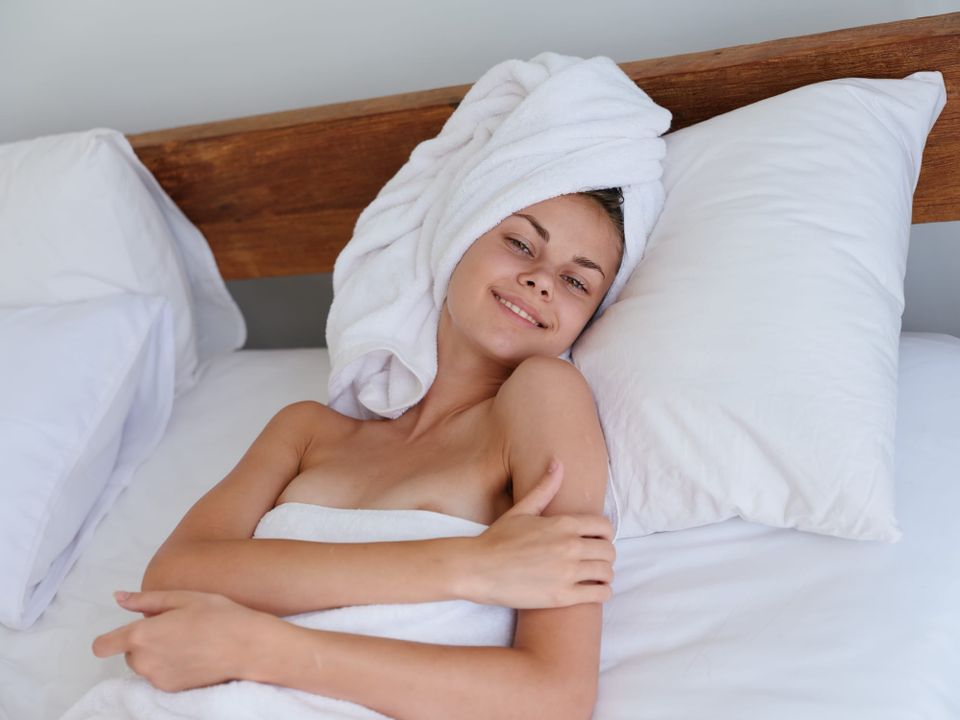
If you’re obsessing over your expensive night creams but consistently skimping on sleep, you’re missing out on the most powerful anti-aging tool in existence. In 2026, we’ve moved past the fairy tale of "Beauty Sleep"—we now have the biological data to prove that your skin behaves like a completely different organ after the sun goes down.
Here is why your sleep schedule might be the missing piece of your anti-aging puzzle.
Check this one:
The Night Shift: Defense vs. Repair
Your skin operates on a circadian rhythm—an internal biological clock that dictates when to protect itself and when to heal.
- Daytime (Defense Mode): Your skin is in "protect" mode. It is busy fighting off UV radiation, pollution, and oxidation. It’s too busy defending itself to focus on building new collagen.
- Nighttime (Repair Mode): Once you hit the pillow, your skin switches gears. Blood flow increases, and the skin begins to produce more collagen, repair cellular DNA damage from the day, and shed dead skin cells at a faster rate.
Why Lack of Sleep "Ages" You
When you cut your sleep short, you don't just feel tired; you disrupt this essential repair cycle.
- The Cortisol Spike: Lack of sleep keeps your cortisol (the stress hormone) levels elevated. High cortisol is the enemy of collagen—it actively breaks down your skin's structural proteins, leading to sagging and dullness.
- The "Leaky" Barrier: Studies show that sleep deprivation impairs the skin's barrier function. A weak barrier = more water loss (dehydration) and more inflammation (breakouts/redness).
- The Micro-Inflammation Loop: Chronic sleep debt keeps your skin in a state of low-grade inflammation, which is the root cause of "inflammaging"—the process where the skin loses its resilience and youthful glow.
How to Maximize Your "Beauty Sleep"
You don't need a miracle product; you need a strategy to let your skin do its job.
- The 11 PM Deadline: Try to be in bed by 11:00 PM. The most intense cellular repair occurs during the deepest stages of sleep, which usually happen in the first few hours of the night.
- The "Clean" Environment: Your pillowcase is the surface your skin touches for 8 hours. If it’s dirty or made of rough material, it’s actively damaging your skin. Switch to a silk or satin pillowcase to reduce friction and prevent "sleep lines" (those creases that eventually become permanent wrinkles).
- Nighttime Ingredient Strategy: Because your skin's permeability is higher at night, this is the time to use Repair & Regen ingredients. Focus on:
- Retinoids: To speed up cell turnover.
- Ceramides: To support the barrier while it heals.
- Peptides: To fuel the collagen synthesis occurring while you dream.
The Bottom Line
"Beauty Sleep" isn't just a catchy phrase—it's a biological process. You can spend a fortune on the best serums in the world, but if you aren't giving your body the 7–9 hours of rest it needs to run its "Repair Mode," you’re essentially hitting the "pause" button on your results.
Read more:
https://skin-in-practice.ghost.io/post-acne-marks-pie-vs-pih-how-to-identify-and-fade-them/
 Olivia Bartson
Stop scrolling, start glowing. Subscribe for more skincare tips🩷