Your Ultimate Guide to Treating Acne Scars
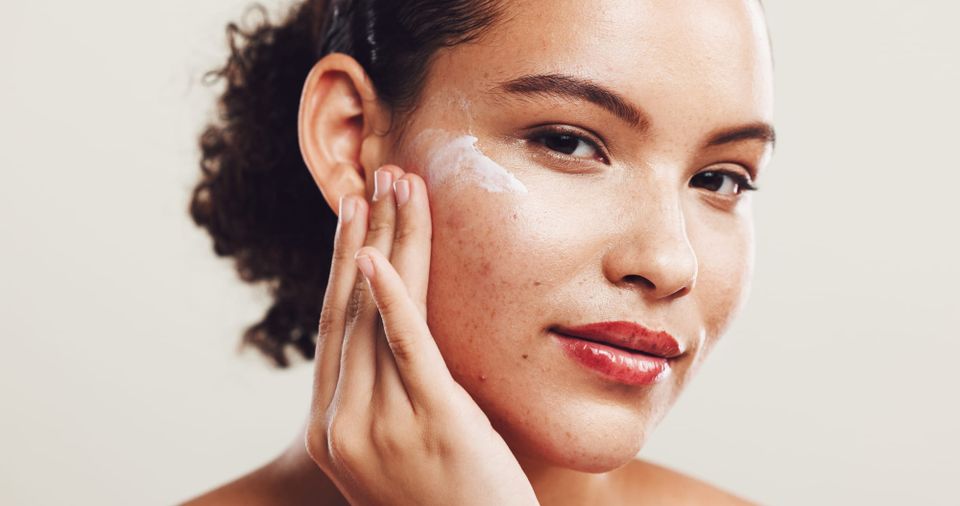
Acne scars can feel like an unwelcome souvenir of past breakouts, but in 2026, we have more tools than ever to smooth them out. Whether you’re looking for a high-tech clinical fix or a dedicated at-home routine, achieving a clearer complexion is absolutely possible!
Here is the breakdown of how to handle texture and pigmentation, from the dermatologist's office to your bathroom mirror.
Professional Treatments: The Big Guns
When at-home skincare isn't enough for deep "pitted" scars or significant texture, professional treatments are the way to go.
- Microdermabrasion & Dermabrasion: These are mechanical exfoliation techniques. Microdermabrasion is a gentle "polish" for dead skin cells, while Dermabrasion goes deeper into the dermis to smooth out the skin's surface.
- Chemical Peels: Using AHAs, BHAs, or PHAs, professionals apply a controlled acid solution to peel away damaged layers, revealing fresh, baby-smooth skin underneath.
- Fractional Lasers: These come in two types. Ablative lasers penetrate deep to trigger a total skin "reboot," while Non-Ablative lasers target superficial layers to boost collagen without the heavy downtime.
- Microneedling with Radiofrequency: This is a 2026 favorite! Tiny needles create micro-injuries while radiofrequency heat stimulates massive collagen production in the deeper layers.
Your At-Home Arsenal: Ingredients That Work
You don't always need a laser to see results. Consistency with these active ingredients can significantly fade dark spots and improve skin texture over time:
- Retinol (The Gold Standard): It speeds up cell turnover and tells your body to produce more collagen. It’s a must-have for smoothing out the "indents" left by acne.
- Vitamin C: This antioxidant is your best friend for Post-Inflammatory Hyperpigmentation (PIH). It brightens dark spots and gives you that overall radiance.
- Niacinamide: Perfect for reducing the redness (PIE) associated with scarring. It calms inflammation and evens out your skin tone.
- Salicylic Acid (BHA): Keeps pores clear and prevents new scars from forming by stopping breakouts before they start.
- Ceramides: Never skip these! They repair your skin barrier, which is essential for the skin to heal itself properly.
- AHAs (Glycolic/Lactic Acid): Regular exfoliation with AHAs helps slough off scarred surface cells, making the skin look fresher and more even.
The Natural Hero: Aloe Vera
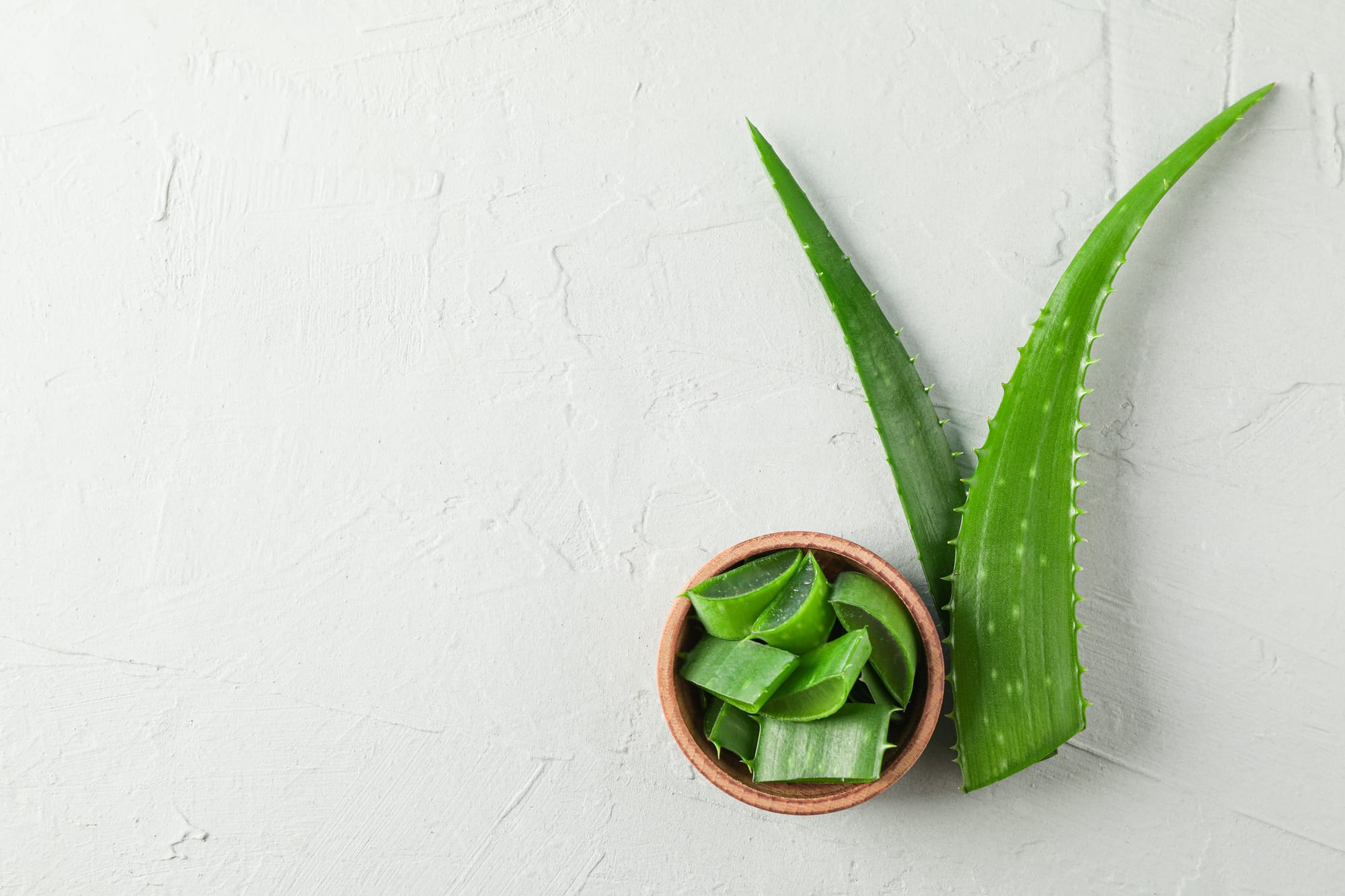
We can’t talk about healing without mentioning Aloe Vera. This plant has been a skincare staple for generations because it works. The gel contains active compounds that reduce inflammation and boost skin regeneration. Plus, hydrated skin is more elastic, which helps it bounce back from damage much faster. It’s an affordable, soothing way to support your skin’s recovery.
The Bottom Line
Whether you choose a high-end laser treatment or a carefully curated serum routine, the secret to fading scars is patience and consistency. Remember, your skin takes time to rebuild its structure.
Combine your active ingredients with a high SPF (sun makes scars darker!) and you’ll be well on your way to a smoother, clearer complexion.
Join my skincare newsletter for simple tips, helpful insights, and fresh inspiration delivered straight to your inbox!