Is Your Skin "Acting" Its Age? The Rise of Skin Longevity
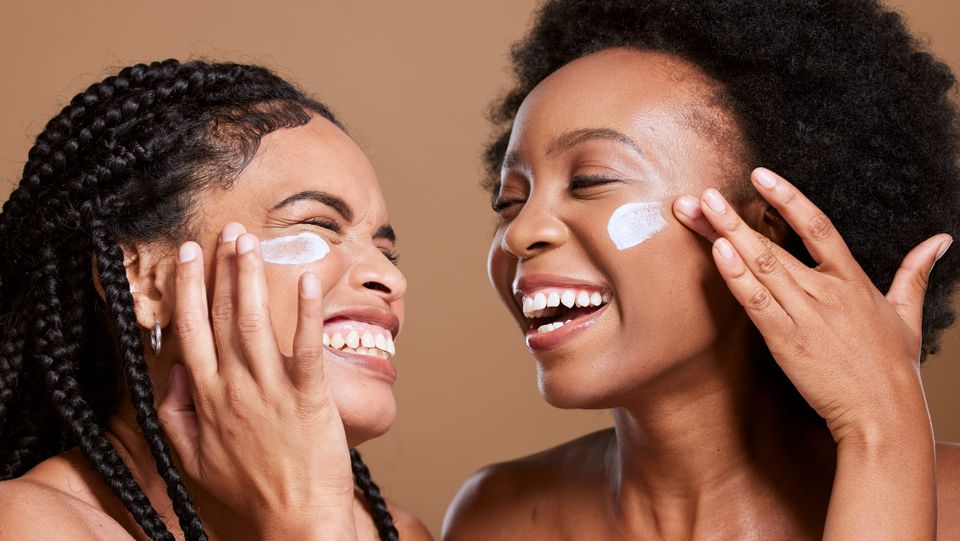
We’ve spent decades obsessed with "anti-aging"—chasing away every wrinkle and fading every dark spot like we’re in a race against the clock. But in 2026, the conversation has officially shifted. We’re no longer just trying to look younger; we’re trying to make our skin biologically healthier for longer.
Welcome to the era of Skin Longevity. If anti-aging is a sprint to fix a problem, skin longevity is a marathon to ensure the problem never starts. It’s about moving past surface-level fixes and diving deep into cellular health, mitochondrial support, and barrier resilience.
Why "Anti-Aging" is Out (and Longevity is In)
Traditional anti-aging often relies on "trauma" to get results—think harsh chemical peels or aggressive lasers that force the skin to repair itself. While effective, this can sometimes lead to a compromised skin barrier and chronic inflammation (also known as "inflammaging").
Skin Longevity takes a gentler, smarter approach. It focuses on:
- Mitochondrial Health: Giving your skin cells the energy they need to repair themselves.
- DNA Repair: Protecting your cells from environmental damage before it turns into a fine line.
- NAD+ Support: Boosting the coenzymes that naturally decline as we get older.
The "Longevity" Ingredients You Need to Know
If you want to keep your skin in its "prime" decades longer, look for these 2026 powerhouse ingredients:
1. PDRN (Salmon DNA)
Colloquially known as the "Salmon Sperm Facial," PDRN has jumped from high-end clinics into daily serums. It works by sending signals to your skin to speed up wound healing and boost elasticity. It’s the ultimate "recovery" ingredient.
2. Spicules (Liquid Microneedling)
Forget the rollers. Spicules are microscopic, needle-like structures derived from marine sponges. They create "micro-channels" in your skin to help your serums penetrate deeper, without the downtime of a professional procedure.
3. Ectoin
Think of Ectoin as a "stress shield" for your skin. It’s a natural molecule that protects organisms in extreme environments (like deserts). In your skincare, it locks in moisture and protects your barrier from blue light and pollution.
4. Exosomes
These are the "text messengers" of the cellular world. Exosomes carry vital information between cells, telling "tired" cells to start producing collagen and elastin again.
Your Daily Longevity Ritual: 3 Simple Steps
You don’t need a 10-step routine to practice skin longevity. In fact, "Skinimalism"—using fewer but smarter products—is a key part of the movement.
- Morning: Protect & Shield. Use a high-quality Vitamin C or Ectoin serum followed by a Mineral SPF 50. Prevention is the foundation of longevity.
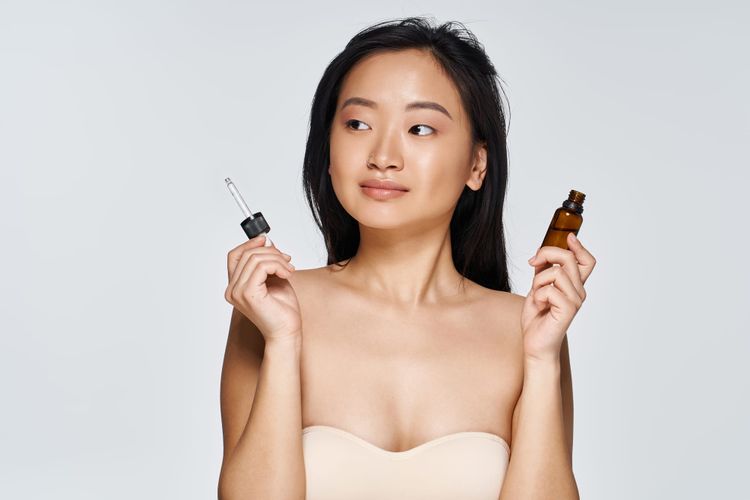
- Evening: Repair & Signal. This is when you use your "messengers." Look for a serum with Peptides or PDRN to support the skin’s natural nighttime repair cycle.
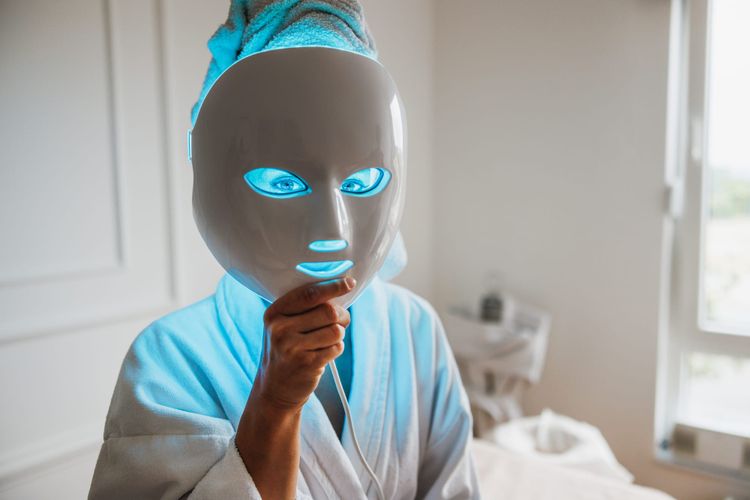
- Weekly: The Biological Reset. Incorporate a gentle Polyhydroxy Acid (PHA) exfoliant or a Red Light Therapy (LED) session. These support cell turnover without causing the "trauma" of traditional acids.
The Bottom Line: Skin is a Reflection of Health
In 2026, we’ve finally realized that skin isn't just a "surface"—it’s an organ. Longevity-focused skincare works best when paired with a lifestyle that supports it. This means prioritizing sleep, managing stress (which causes "neuro-aging"), and eating antioxidant-rich foods.
Your skin has a memory. By switching to a longevity mindset today, you aren't just fixing how you look tomorrow—you’re investing in how you’ll look and feel twenty years from now.
Stop scrolling, start glowing. Subscribe for more skincare tips🩷