Stressed Out? How to Break the "Cortisol-Acne" Cycle

We’ve talked about how stress triggers a cortisol spike, which tells your skin to "panic-produce" oil and inflammation. It’s not just in your head—it’s a biological reality. If you feel like your skin is reacting to every deadline and life change with a fresh breakout, you're not alone.
In 2026, we don't treat this as a "failure" of your skincare routine, but as a signal that your body needs a reset. Here is how to handle the stress and the breakouts.
1. Make Skincare a "Micro-Meditation"
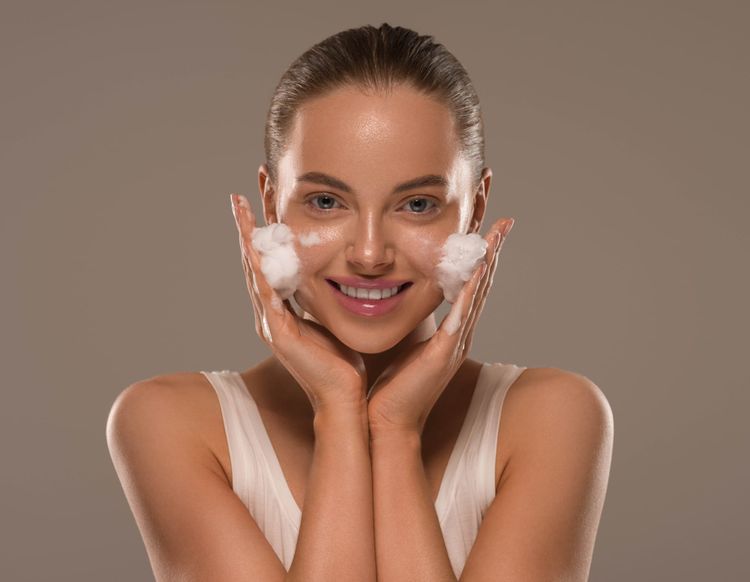
When you’re stressed, you tend to apply your products in a rush, often rubbing your skin aggressively. Stop. Turn your routine into a daily grounding exercise.
- The Ritual: Dedicate 60 seconds to a slow, intentional facial massage while applying your serum. Focus on the temperature of your hands, the texture of the product, and your breathing.
- The Science: Gentle, mindful touch sends a "safety signal" to your nervous system. It physically lowers your heart rate and helps soothe the nerve endings in your skin, reducing the stress response.
2. Switch to "Soothe & Repair" Mode
When your cortisol levels are high, your skin barrier is likely already compromised. This is not the time for heavy chemical peels or harsh acne treatments.
- The Strategy: Swap your aggressive actives for ingredients that prioritize barrier recovery. Look for Centella Asiatica (Cica), Panthenol, Ceramides, and Adaptogens (like Reishi mushroom extract).
- The Benefit: These ingredients act as a "calming blanket" for your skin, lowering the inflammation that makes stress-breakouts look so red and angry.
3. The "Physical Off-Switch" (Box Breathing)
Before you start your evening routine, try Box Breathing. It’s a rapid way to turn off your body's "fight or flight" mode:
- Inhale for 4 seconds.
- Hold for 4 seconds.
- Exhale for 4 seconds.
- Hold for 4 seconds.
- Repeat 4 times. This physically forces your body out of the stress loop, helping to prevent the "nocturnal sebum surge" that can happen when you're anxious.
4. Internal Support: The "Stress Mineral"
Your skin is the last organ to receive nutrients, so you have to feed it from within.
- Magnesium: Often called the "stress mineral," magnesium helps regulate the nervous system. Increasing your intake through foods like dark chocolate, nuts, and leafy greens (or a supplement, if advised by your doctor) can help your body handle stress better, which leads to less volatile oil production.
- Calm Teas: Swap that third cup of coffee (which spikes cortisol!) for herbal options like Lemon Balm, Chamomile, or Ashwagandha tea.
5. Protect Your Skin from Your Own Hands
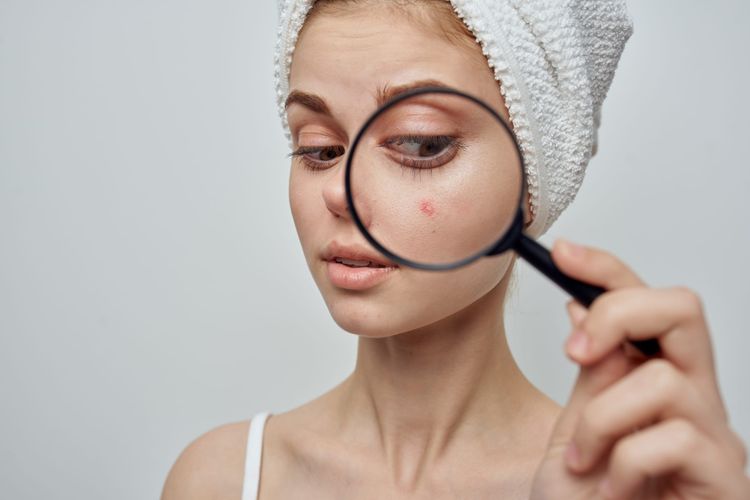
Stress often leads to "obsessive checking" or picking at your skin. This is the fastest way to turn a small bump into a permanent scar.
- The Trick: Keep hydrocolloid patches everywhere. If you feel a breakout or find yourself reaching to pick, slap a patch on it. It physically blocks your fingers, protects the spot from bacteria, and keeps your skin away from your "stress-picking." Give yourself permission to let it heal undisturbed.
The Bottom Line
Your skin is the mirror of your internal state. When you're overwhelmed, it’s asking for kindness, not a harsher routine. Trying to "punish" your skin for breaking out only adds more stress to the cycle. Treat your skin like you’d treat a stressed-out friend—with patience, care, and a little bit of calm.
Stop scrolling, start glowing. Subscribe for more skincare tips🩷